E-commerce App Development

We excel in crafting bespoke, high-performance
e-commerce apps, integrating cutting-edge features and user-centric design to supercharge your online sales.

Start Building
New Stunning apps

Let’s Get to Work

Features We Integrate to Build Up Your App's Customer Loyalty Value

These offer real-time assistance, resolving queries instantly to improve customer experience and reduce cart abandonment.

These not only incentivize purchases but also enhance customer retention and lifetime value.

Facilitates secure online transactions, offering customers a trustworthy and seamless checkout experience.

Enhance browsing with an intuitive product navigation system, leading customers directly to their desired products.

Keep customers engaged with timely push notifications about discounts, restocks, order statuses, and more.

Capture customer interest and boost sales with targeted in-app advertising, promoting deals, new arrivals, or popular products.

Detailed insights into customer behavior and trends to optimize marketing strategies, enhance customer experience, and improve retention.

AR enhances the shopping experience by allowing customers to visualize products before buying, increasing conversion rates.

Enhance product discoverability with organized and intuitive categorization, simplifying customers’ search for products.

Cater to a global customer base with multilingual support, eliminating language barriers for an inclusive shopping experience.

Offer a smooth shopping experience with a user-friendly shopping cart that allows easy review, modification, and completion of purchases.

Showcase featured products, deals, or announcements with eye-catching sliders or carousel displays on your homepage.

Instruments We Have Worked On

E-commerce App development process

Market Research

We delve deep into market trends, competitor strategies, and customer preferences to develop an e-commerce app solution that stands out and resonates with your target audience.

UX/UI Design

Our team designs an intuitive and engaging user interface/experience that not only looks stunning but also facilitates seamless navigation and shopping.

Prototyping

Before full-scale development, we create a working prototype of your app, enabling you to visualize its functionality and make any necessary changes.


Integrations

We follow the Agile development methodology to ensure flexibility and efficiency, allowing for continuous improvement and adaptability throughout the development process.

QA Testing

Rigorous quality assurance testing is conducted to identify and fix any bugs or issues, ensuring the app provides a smooth and flawless user experience.

App Launch & Support

After meticulous development and testing, we successfully launch your e-commerce app across relevant platforms, ensuring it’s ready to attract and engage customers.

Our Cases

CRM & ERP
Fastago

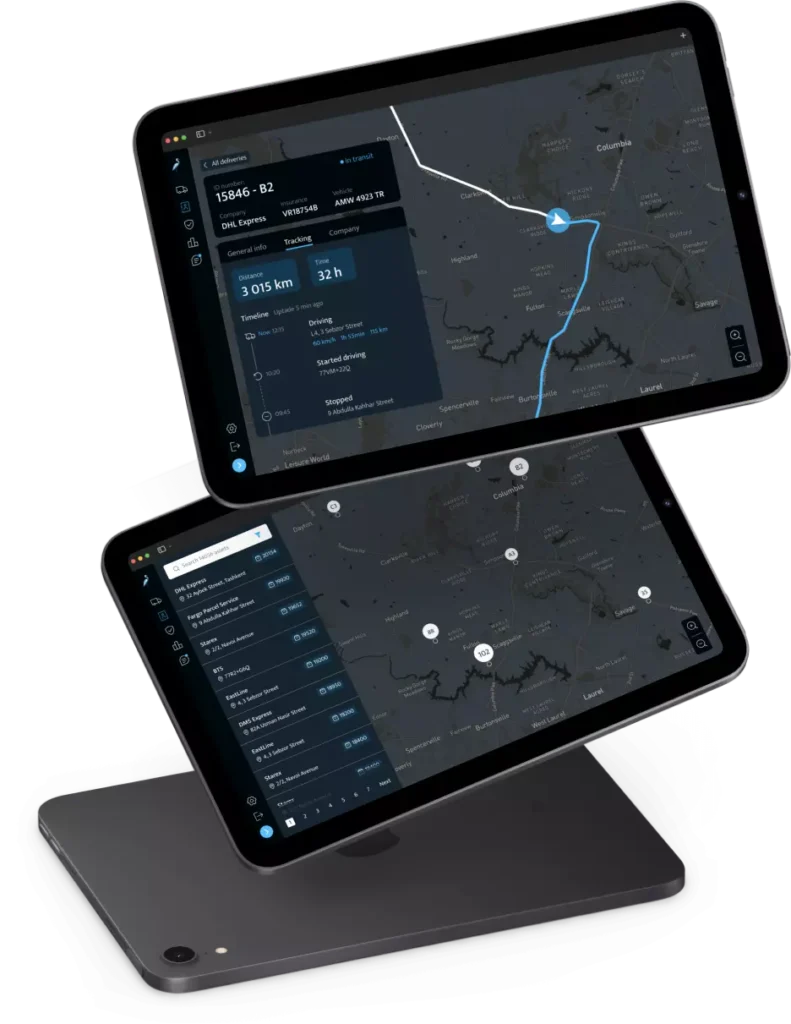
Aggregator for Last-mile

Platform connects consumers with local delivery services, allowing for efficient and timely delivery of goods. It also streamlines the delivery process by providing real-time tracking and status updates and managing payment and customer service.

Healthcare
Hygge

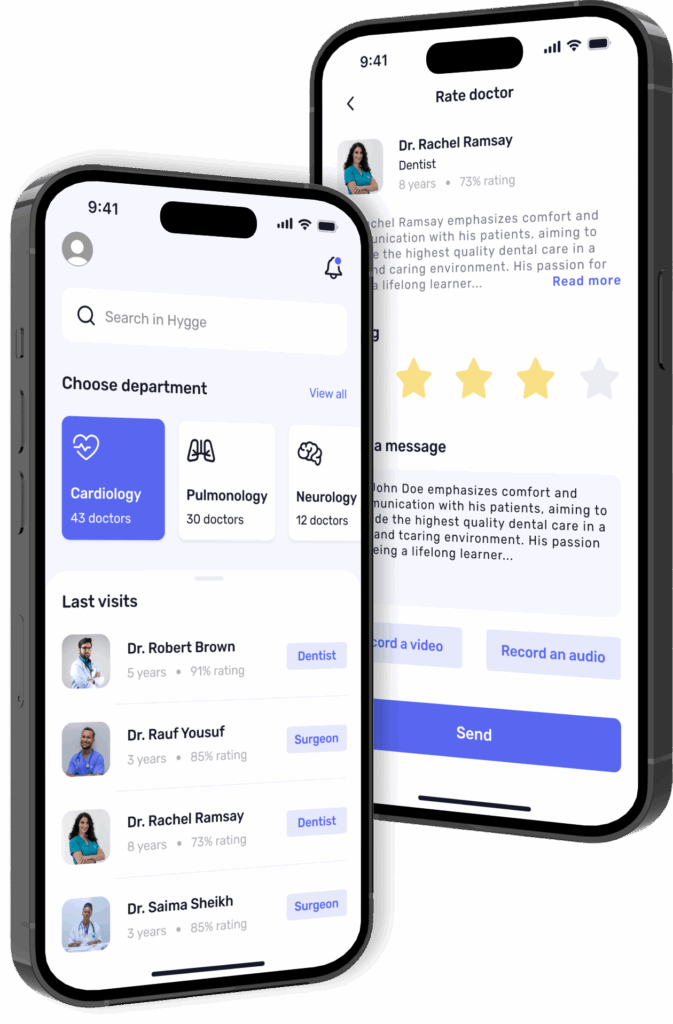
Medical Booking App

Hospital booking app that simplifies scheduling medical appointments and managing healthcare needs. It provides a user-friendly platform to search for healthcare providers, book appointments, and store medical records.

Frequently Asked Questions

Developing an e-commerce app involves planning, designing, and coding a platform that enables online sales. First, define your target audience and key features like product listings, payments, and user authentication. Then, choose a technology stack (e.g., Flutter for cross-platform apps) and develop an MVP to test market demand before scaling.

An e-commerce app should include product catalogs, secure payments, a shopping cart, order tracking, and push notifications. Advanced features like AI-powered recommendations, chatbot support, and one-click checkout improve user experience and retention. For example, apps with personalized recommendations see a
Choosing the right platform depends on your budget and customization needs. Shopify is best for quick setups with built-in features, WooCommerce suits businesses already using WordPress, and custom development provides full flexibility. For startups, Shopify is often the fastest route to market, while custom solutions allow advanced scalability.
The cost of developing an e-commerce app ranges from$10,000 to $150,000, depending on features, platform (iOS, Android, or both), and developer rates. A basic MVP with essential features costs around $20,000–$40,000, while enterprise-level apps with AI, AR, or blockchain integrations can exceed $100,000.
Developing an e-commerce app typically takes 3 to 9 months, depending on complexity. A basic MVP can be launched in 3–4 months, while a feature-rich app with custom integrations may take 6–12 months. For faster time-to-market, startups often start with a no-code or Shopify-based solution.
The main cost factors include the number of features, app complexity, platform choice (iOS, Android, or both), and developer rates. Hiring developers in Eastern Europe or Asia can reduce costs by 40% compared to US-based teams. Additionally, integrating AI, AR, or third-party APIs increases development time and expenses.

AI enhances e-commerce apps by personalizing product recommendations, automating customer support, and detecting fraud. For example, AI-driven product recommendations can increase revenue by up to 35%. Chatbots powered by AI also reduce customer service workload, improving response times and user satisfaction.

E-commerce apps must use SSL encryption, secure payment gateways, and multi-factor authentication to protect user data. Compliance with GDPR, CCPA, and PCI DSS is essential for handling transactions safely. For instance, encrypted payments reduce fraud risks by 60% in online stores.

Acquiring first customers requires SEO, social media marketing, and paid ads. Offering discounts, referral programs, and influencer collaborations boosts early traction. For example, 92% of consumers trust recommendations from influencers, making influencer marketing a strong strategy for e-commerce startups.

Successful e-commerce marketing includes SEO optimization, email campaigns, social media ads, and influencer partnerships. Retargeting ads help convert visitors who abandoned their carts, while AI-driven personalization increases repeat purchases. For instance, personalized email marketing can boost revenue by 760%.
Yes, e-commerce continues to grow, with global sales expected to reach $7 trillion by 2025. Profitability depends on niche selection, pricing strategy, and customer retention. Marketplaces, subscription models, and private-label products often yield the highest margins.
Profitability depends on acquisition costs and conversion rates. Most e-commerce startups take 6–12 months to break even. Fast growth is possible with dropshipping or digital products, while inventory-based models require higher initial investment but yield better long-term margins.

Drive Exponential Growth in Sales with an Exceptional App