Retail App Development

We deliver bespoke, data-secure mobile solutions that address your operational inefficiencies, from real-time inventory management to seamless payment processing. We strategically deploy advanced analytics for tailored shopping experiences, ensuring increased customer retention and elevated sales growth.

Start Building
New Stunning apps

Let’s Get to Work

Features We Integrate to Build Up Your App's Customer Loyalty Value

AI Chatbots

These offer real-time assistance, resolving queries instantly to improve customer experience and reduce cart abandonment.

Loyalty Programs and Rewards

These not only incentivize purchases but also enhance customer retention and lifetime value.

Payment Gateways

Facilitates secure online transactions, offering customers a trustworthy and seamless checkout experience.

Product Navigation

Enhance browsing with an intuitive product navigation system, leading customers directly to their desired products.

Push Notifications

Keep customers engaged with timely push notifications about discounts, restocks, order statuses, and more.

Advertising

Capture customer interest and boost sales with targeted in-app advertising, promoting deals, new arrivals, or popular products.

Data Analysis and Reporting

Detailed insights into customer behavior and trends to optimize marketing strategies, enhance customer experience, and improve retention.

Augmented Reality (AR) Features

AR enhances the shopping experience by allowing customers to visualize products before buying, increasing conversion rates.

Product Categories

Enhance product discoverability with organized and intuitive categorization, simplifying customers’ search for products.

Multilingual Support

Cater to a global customer base with multilingual support, eliminating language barriers for an inclusive shopping experience.

Shopping Cart

Offer a smooth shopping experience with a user-friendly shopping cart that allows easy review, modification, and completion of purchases.

Sliders/Carousel

Showcase featured products, deals, or announcements with eye-catching sliders or carousel displays on your homepage.

Our Technology Stack

Vue.js

React.js

Nuxt.js

Flutter Web

PWA

Python

MongoDB

AmazonMQ

Kafka

Firebase

Microservices

Grafana

Sentry

PostgreSQL

Celery

Celery

Flutter

Kotlin

Swift

React Native

Amazon AWS

Digital Ocean

Docker

Kubernetes

Bash

Google Cloud

GitHub Actions

GitLab

Selenium

Terraform

Retail App development process

Market Research

We analyze your target demographic, competitors, and the latest industry trends to gain a comprehensive understanding of your business context. This ensures that we design and develop an app that is competitive, meets market needs, and aligns with your business objectives.

UX/UI Design

Armed with insights from our market research, we move onto the UX/UI design phase. Here, our expert designers focus on creating an intuitive and aesthetically pleasing interface. The objective is to enhance the user experience, boost user engagement, and drive conversions.

Prototyping

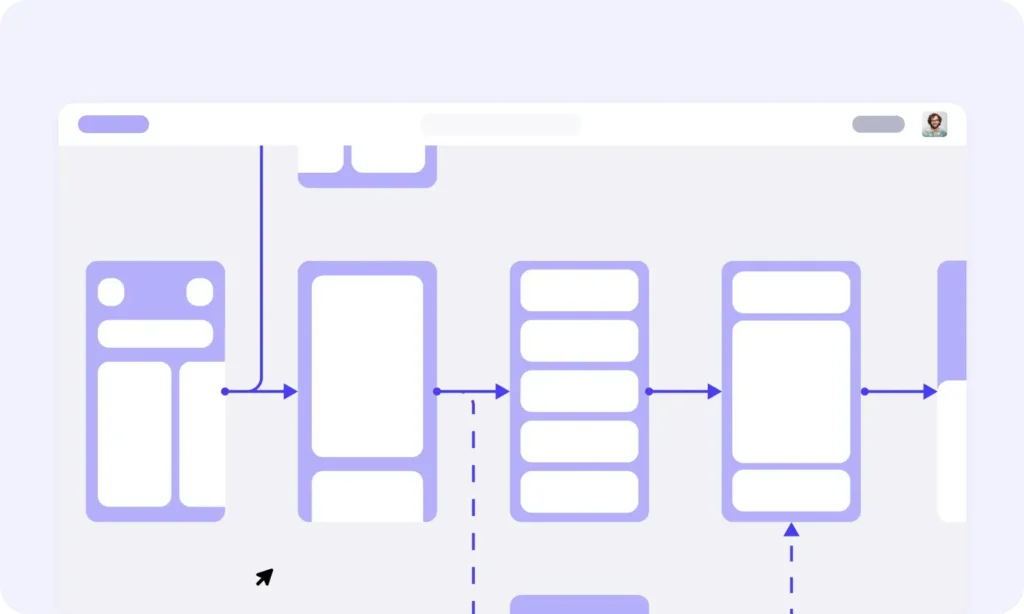
Following the design phase, we create a clickable prototype of your app. This allows you to experience the app’s look and feel, navigation, and overall functionality before we proceed to the full-scale development. It’s an opportunity for us to receive your feedback and make necessary adjustments to ensure the final product aligns with your expectations.

Integrations

Upon your approval of the prototype, we commence the development phase, using Agile methodologies. This approach promotes adaptive planning, encourages rapid and flexible response to changes, and allows for continuous improvement. Regular iterations and frequent communication ensure transparency and alignment with your goals throughout the development process.

QA Testing

Once the app is developed, our QA team thoroughly tests it for any potential bugs or performance issues. The app undergoes multiple testing stages including functionality, usability, performance, and security testing, ensuring a flawless, secure, and high-performing end product.

App Launch & Support

After rigorous testing and final approval, we assist with the app launch in the relevant app stores. But our engagement doesn’t end there. We continue to offer technical support and maintenance services, monitoring the app’s performance and making necessary updates or improvements to ensure its ongoing success in the market.

Our Cases

CRM & ERP
Fastago

Aggregator for Last-mile

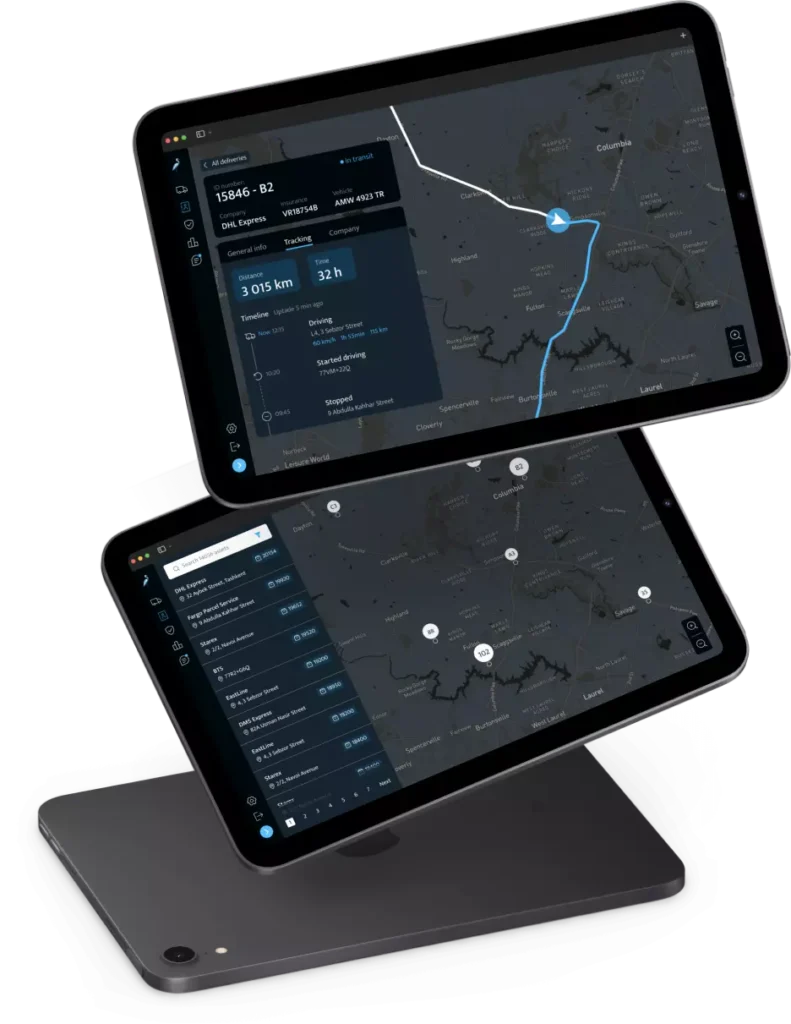
Platform connects consumers with local delivery services, allowing for efficient and timely delivery of goods. It also streamlines the delivery process by providing real-time tracking and status updates and managing payment and customer service.

Healthcare
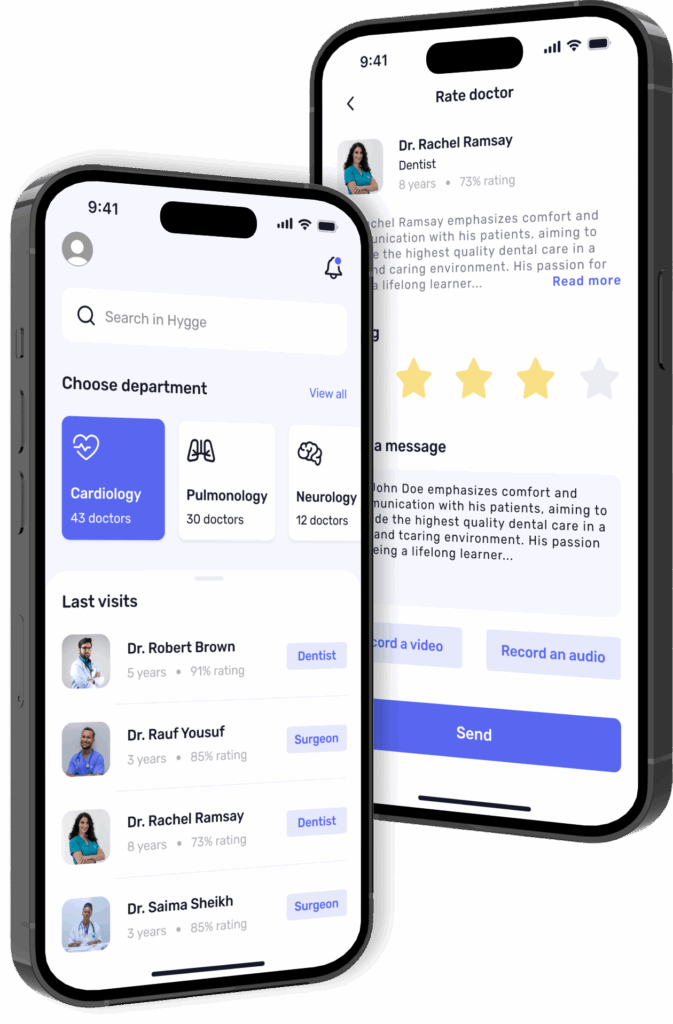
Hygge

Medical Booking App

Hospital booking app that simplifies scheduling medical appointments and managing healthcare needs. It provides a user-friendly platform to search for healthcare providers, book appointments, and store medical records.

Frequently Asked Questions

The best software for a retail business depends on its size and needs. Common choices include Shopify for e-commerce, Square for POS, and NetSuite for inventory and finance management. For example, over 4.4 million websites use Shopify to run their online retail operations.

To store customer data in retail, businesses typically use CRM software. Tools like Salesforce or Zoho CRM help manage interactions, track purchases, and segment audiences. For instance, Salesforce claims users see a 27% increase in customer retention.

Cashiers use POS (Point of Sale) systems to handle transactions. Popular POS software includes Square, Lightspeed, and Clover, which integrate payments, receipts, and inventory tracking. For example, Square POS is used by over 2 million small businesses worldwide.

ERP in retail refers to software that integrates core business functions like inventory, finance, HR, and supply chain. It centralizes operations to reduce manual work and boost efficiency. A typical ERP for retail is Oracle NetSuite, used by retailers like Lovesac and Gymshark.

Retail software is pre-built and designed for general retail use, while custom software is developed to fit a specific business’s needs. Custom solutions offer flexibility and unique features but take longer and cost more. For example, off-the-shelf software like Vend suits many small retailers without custom features.

SaaS in retail means using cloud-based software accessed via subscription, such as POS, CRM, or inventory tools. It reduces upfront costs and makes updates seamless. Shopify and Lightspeed are popular SaaS platforms helping retailers go live fast without managing infrastructure.

A retail version of software is a commercial edition sold to end-users, typically via physical or digital stores. Unlike OEM or volume-licensed software, it comes with full customer support and licensing. For example, Microsoft Office Home & Student is a retail version sold in stores and online.

Off-the-shelf software is cheaper, faster to deploy, and comes with tested features and updates. It’s ideal for startups that need quick solutions. For instance, using Shopify for an MVP can save months compared to developing a custom e-commerce app.

Retail technology includes POS systems, mobile apps, RFID, AI-driven analytics, and customer-facing tools like kiosks. These tools help track inventory, analyze shopper behavior, and enhance experience. For example, Zara uses RFID to manage inventory across 2,000+ stores.


Bespoke software is tailored for one company’s needs, while off-the-shelf is made for mass use. Bespoke tools offer more control and scalability but are more expensive. For example, Amazon’s warehouse system is bespoke, while small stores may use standard tools like Vend or Lightspeed.

Product development in retail involves designing, testing, and launching new products to meet market demands. It includes R&D, packaging, pricing, and marketing strategies. For example, Nike rapidly prototypes and tests sneaker designs before global rollout.

Retail execution software helps brands manage field teams, ensure store compliance, and track in-store performance. It’s widely used in CPG and FMCG sectors. For example, Repsly and GoSpotCheck allow brands to monitor shelf visibility and promotions in real-time.

Drive Exponential Growth in Sales with an Exceptional App